
Asthma in Pakistan During Heatwaves Rising Risks Awareness and Free Treatment Challenges
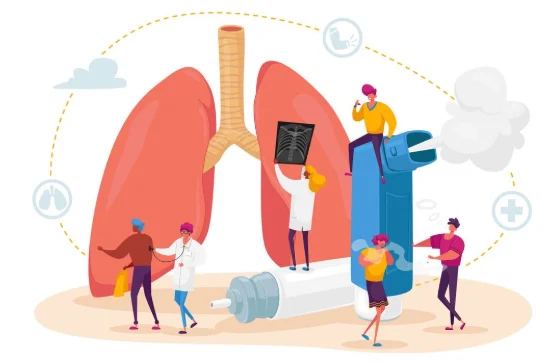
2026 is no different. The heat season in Pakistan has arrived with an intensity climbing up to 41°C on 4th May and turning ordinary air into something dense and uneasy to inhale. For most, it signals sweat and fatigue, but for asthma patients, it brings an invisible strain where every breath can feel restricted, as if the atmosphere itself has turned hostile.
At Karachi’s JPMC, where treatment is provided free, Patients’ Aid Foundation continues its relentless efforts to not only support those seeking medical care but to also educate communities about managing health conditions under extreme weather.
The work of Patients’ Aid extends beyond hospital walls, reaching families who often lack even the most basic awareness about respiratory care. If you believe in access to care for all, consider supporting our mission by donating today and help sustain healthcare treatment for those who cannot afford it.
Why Asthma Day Matters More This Year
Every year on 5th May, the world acknowledges and observes Asthma Day, yet this year carries a sharper urgency. Rising temperatures, worsening air quality, and unpredictable urban pollutants are intensifying respiratory conditions across Pakistan. Awareness is no longer optional; it is survival knowledge.

Asthma is not merely wheezing or occasional breathlessness. It is a chronic inflammatory condition where airways narrow, swell, and produce excess mucus, making breathing laborious. The triggers vary from dust and pollen to heatwaves and stress.

Pollution, smoking, climate changes, pets, and chemical exposure can all trigger asthma, and before you realize it, the condition can spiral out of control. Awareness is essential so people living with asthma can recognize early signs and respond promptly before it worsens.
If this resonates with someone in your family, now is the moment to act, seek guidance, and share credible information with those around you by sharing this blog guide.
Understanding Asthma Beyond the Obvious
Asthma often disguises itself. A persistent cough at night, a faint whistling sound while breathing, or fatigue after minimal exertion can all be early signs. In Pakistan’s climate, these symptoms are frequently ignored or mistaken for seasonal flu.
What many do not realize is how rapidly asthma can escalate under heat stress. High temperatures increase ground-level ozone and airborne irritants, both of which inflame already sensitive airways. This is why timely diagnosis and consistent management are critical. If you suspect symptoms, encourage immediate consultation and do not delay intervention.
The Inhaler Conversation People Avoid
Inhalers remain one of the most effective tools in asthma management, yet they are often misunderstood. Some avoid them due to myths around dependency, while others simply lack access.
An inhaler works by delivering medication directly into the lungs, reducing inflammation and opening airways within minutes. This targeted approach makes it far more efficient than oral medication. Still, improper usage is common.

Common Inhaler Mistakes
| Mistake | Impact on Health |
| Incorrect breathing technique | Reduced medication effectiveness |
| Skipping doses | Increased risk of attacks |
| Not cleaning inhaler | Risk of infection |
| Using expired inhaler | No therapeutic benefit |
Even a small correction in technique can significantly improve outcomes.
Heat and Asthma A Dangerous Alliance
Extreme heat does more than cause dehydration. It alters oxygen dynamics in the body. When temperatures rise, the air becomes thinner and often more polluted, making oxygen intake less efficient. For asthma patients, this compounds an already fragile respiratory system.
Heat exposure can lead to:
- Increased airway inflammation
- Reduced oxygen saturation levels
- Faster onset of breathlessness
- Higher likelihood of asthma attacks
This connection between heat and oxygen imbalance is rarely discussed but deeply significant. Hydration, limiting outdoor exposure during peak hours, and ensuring access to cool, ventilated environments can help prevent the consequences. These small measures can prevent severe complications.
How to Manage Asthma During Pakistan’s Heatwave
Managing asthma in such conditions requires deliberate care and planning.
Daily Precautions Table
| Action | Benefit |
| Stay indoors during peak heat hours esp between 11 am to 4 pm | Reduces exposure to triggers |
| Use air purifiers or clean filters | Improves air quality |
| Drink adequate water | Hydration maintains airway moisture |
| Keep inhaler nearby | Immediate relief during symptoms |
| Avoid heavy outdoor activity | Prevents stress on lungs |
The Reality of Inhaler Access in Pakistan
In urban centers, inhalers are available, though not always affordable. However, the situation in rural and marginalized regions is far more concerning. For many families, inhalers are seen as optional rather than essential due to financial constraints.
This gap creates a silent crisis. Children grow up without proper treatment, adults endure chronic discomfort, and emergency cases become far too frequent.
Childhood asthma prevalence in Pakistan was reported as 10.2% among children under the age of 5 years, according to a 2026 study indexed in BMJ pediatrics open journal.
Patients’ Aid Foundation is actively addressing this disparity by ensuring that treatment at JPMC remains a free healthcare facility for those in need. Their outreach and support programs are bridging healthcare gaps that the system often overlooks. If you want to be part of this change, now is the time to contribute and make a tangible difference.
When Awareness Exists but Access Does Not
There is a segment of the population that understands asthma, recognizes symptoms, and even knows the importance of inhalers. Yet, financial limitations prevent timely treatment.
In villages and underserved communities, healthcare decisions are often delayed until conditions become critical. Asthma, however, does not wait. It worsens quietly until intervention becomes urgent.
This is where collective responsibility becomes crucial. Support non-profit organizations that are actively working on the healthcare ground like Patients’ Aid Foundation.
Patients’ Aid Foundation Is A Quiet Force Saving Lives
Patients’ Aid Foundation has been involved in numerous humanitarian initiatives since 1990, including hosting fundraisers to collect funds to facilitate surgeries, providing medications, and raising awareness about critical health conditions. Because to us, every life matters and therefore we require your help to carry forward this humanitarian mission.
Patients’ Aid presence at Jinnah Hospital ensures that thousands unprivileged patients receive free treatment every year with dignity and respect.
If this welfare work resonates with you, do not remain a passive observer. Donate, advocate, and amplify their message. Your contribution could be the reason someone breathes without pain tonight.
Why Your Support Matters Right Now
Asthma cases are rising. Heatwaves are intensifying. Healthcare inequality remains a pressing challenge. These are not distant problems; they are the reality of many around us every day.
Patients’ Aid Foundation relies on consistent donor support to sustain healthcare operations at Jinnah Hospital. Donations enable us to provide inhalers, medications, and life-saving treatments to those who cannot afford them.
A breath should never be a privilege!
There is something deeply unsettling about watching someone fight for air. It strips away everything superficial and leaves behind a stark reality, breath is life, and without it, nothing else matters.
In this relentless heat, where the air itself feels unforgiving, countless individuals are silently battling asthma without resources, without support, without relief. Yet, there is hope, built through collective compassion and sustained effort.
Patients’ Aid Foundation stands as that hope for many. But hope requires fuel. It requires people who are willing to step forward, to give, to care. You can be that person.
Donate today. Support awareness. Share knowledge. Help someone breathe freely in a world that often makes it difficult.
