
Patients’ Aid 2nd Golf Tournament 26′ Fighting Stroke in Pakistan
A Growing Disability and Public Health Crisis
Pakistan is facing a silent yet devastating healthcare emergency. Thousands of families across the country are struggling with disability and chronic illness caused by stroke, an illness that strikes suddenly but leaves lifelong consequences. At the Patients’ Aid Foundation, we stand at the frontline of this crisis, supporting underprivileged patients coming from marginalised areas of Karachi and beyond including Interior Sindh and Balochistan, and more with access to treatment, diagnostics, medicines, and hope at Jinnah Postgraduate Medical Centre (JPMC), Karachi.
Establishment of a comprehensive Stroke Unit at JPMC is yet another step of the Patients’ Aid Foundation to ease the suffering of our people. To raise funds for creating awareness of Stroke and raise funds for the treatment of Stroke patients a meaningful fundraising event is was organized on Sunday, 18th January 2026 at Karachi Golf Club with the support of corporates of Karachi who once again stepped forward to bring hope to those who need it most. 26 teams participated in the tournament with Bank Alfalah being the Gross Winner and Premier Insurance – Net Winner.
A Rising Stroke Burden in Pakistan
For over 35 years, Patients’ Aid Foundation’s motive has remained simple: Quality healthcare is a basic human right, regardless of background or financial means.
Stroke is no longer a rare or age-specific condition. According to a ScienceDirect report (2025), Pakistan experiences approximately 350,000 new stroke cases every year. Data from the Pakistan Stroke Society (2024) presents an even more heart wrenching picture, estimating over 400,000 strokes annually, with 1 in 4 adults at risk during their lifetime.
More concerning is the fact that over 60% of stroke patients in Pakistan do not reach a hospital in time to receive life-saving treatment. Delayed care often results in permanent disability, loss of independence, or death, particularly in low-income communities where awareness of stroke symptoms remains dangerously low.
What Is a Stroke and Why Is It So Deadly?
A stroke happens when blood flow to the brain is blocked, cutting off oxygen and nutrients. A stroke is a medical emergency because within minutes, brain cells start to die. It is particularly dangerous because it:
- Leads to long-term disability
- Causes sudden neurological damage
- Requires immediate medical attention
- Significantly increases the risk of complications and death if treatment is delayed
In Pakistan, many patients face barriers to timely stroke care due to economic challenges, limited neurological facilities, and high healthcare costs. Prompt treatment within the first four hours gives patients the best chance of recovery. At Patients’ Aid, we work to close this gap by providing free treatment and essential medicines to deserving stroke patients at JPMC, helping them survive and regain their health as quickly as possible.
Types of Stroke and Their Impact
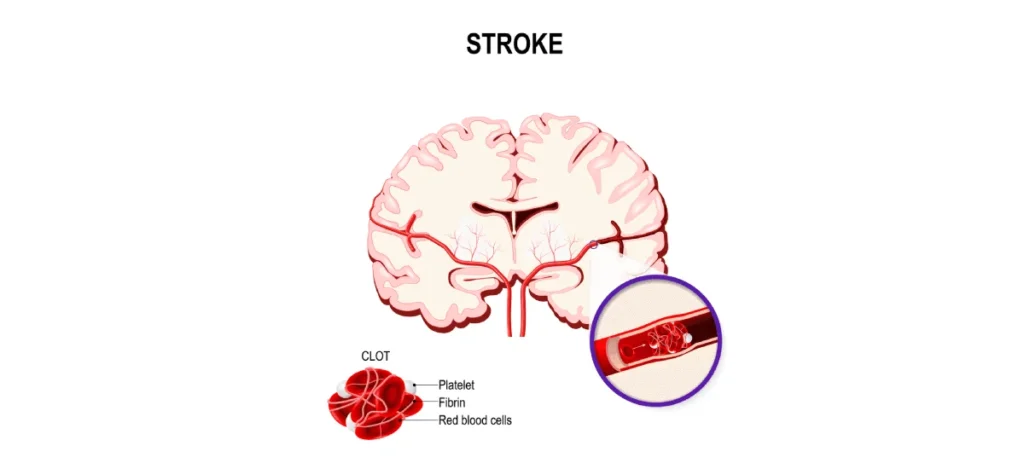
Types of Stroke
- Ischemic Stroke: The most common type of stroke, occurring when a blood clot obstructs an artery that supplies the brain.
- Hemorrhagic Stroke: Results from bleeding in or around the brain, putting pressure on brain tissue.
- Transient Ischemic Attack (TIA): A brief blockage of blood flow to the brain, often serving as a warning for a potential major stroke.
Biological and Physiological Impact
Stroke can affect:
- Speech and language
- Movement and balance
- Memory and cognition
- Vision and swallowing
- Emotional and psychological health
Without proper acute care and rehabilitation (physiotherapy and speech therapy), complications increase and recovery becomes limited.
Risk Factors and Stroke Prevention
| Common High Risks | Preventive Measures |
| Diabetes, high blood pressure, and cholesterol | Managing blood pressure and blood sugar |
| Obesity and inactivity | Healthy diet and regular physical activity |
| Smoking | Avoiding tobacco use |
| Family history of strokes | Regular medical checkups |
Prevention begins with awareness and access to healthcare means, and this is where Patients’ Aid plays a vital role. You can also become a hope for many, join us and donate now.
The 1–3–6–12 Rule
In acute ischemic stroke, timing is critical, not only for emergency care but also for safely starting anticoagulant therapy, especially in patients with atrial fibrillation (AF).
The 1–3–6–12 rule is a pragmatic and widely used clinical approach that helps determine when anticoagulation can be initiated after an ischemic stroke, only after intracranial hemorrhage has been ruled out through CT or MRI imaging.
(Rule sources: European stroke organisation, Ncvc, Open heart journal)
| Stroke Severity | Clinical Description | Recommended Time to Start Anticoagulation | Why Timing Matters |
| 1 Day | Transient Ischemic Attack (TIA) | Start after 1 day | No permanent brain damage; lowest bleeding risk |
| 3 Days | Mild Ischemic Stroke | Start after 3 days | Small infarct size; reduced risk of hemorrhagic transformation |
| 6 Days | Moderate Ischemic Stroke | Start after 6 days | Balances prevention of recurrent stroke with bleeding risk |
| 12 Days | Severe Ischemic Stroke | Start after 12 days | Large brain infarction; highest risk of bleeding if treated too early |
In Pakistan, delayed hospital arrival, lack of neuroimaging facilities, and shortage of trained neurologists often make it impossible to apply this rule correctly. As a result, patients either receive delayed treatment or inappropriate early anticoagulation, increasing the risk of disability and death.
How Is Stroke Diagnosed?
Accurate and rapid stroke diagnosis relies on:
- CT scans to detect bleeding
- MRI scans for detailed brain imaging
- Blood tests and neurological assessment
Patients’ Aid Strengthening Specialized Stroke Care in Pakistan at JPMC
Effective stroke management goes far beyond emergency treatment. It requires a well-coordinated, multidisciplinary healthcare system that can respond rapidly, deliver specialized care, and support long-term recovery. At Patients’ Aid, we are committed to strengthening every link in the stroke care pathway at Jinnah Postgraduate Medical Centre (JPMC).
Your contribution can make a real difference. We invite you to donate generously and help stroke patients receive the care they deserve.
Patients’ Aid is Building a Strong Stroke Care Ecosystem at JPMC
The Comprehensive stroke Unit at JPMC will have:
- Trained neurologists and stroke specialists
- Advanced Neuro-ICU facilities
- Skilled physiotherapists and speech therapists for rehabilitation
- Continuous monitoring and specialized post-stroke care
Recognizing these critical needs, Patients’ Aid actively works to bridge gaps in neurological services, particularly for patients who cannot afford private healthcare and would otherwise be left without treatment.
Establishing a State-of-the-Art Comprehensive Stroke Unit
We are proud to share that the Patients’ Aid Foundation, in collaboration with the Pakistan Stroke Initiative (PSI), is establishing a state-of-the-art Comprehensive Stroke Unit within the Neurosciences Department at JPMC, a major milestone in public-sector stroke care in Pakistan. This facility will serve as one of the best stroke care facilities in Karachi’s public healthcare system.
Click here for more detailed information from Mr. Mushtaq Chhapra, Chairman of the Patients’ Aid Foundation at JPMC.
Key Features of the Stroke Unit at JPMC
- Biplane Angiography Machine
- Advanced CT Scanner
- Dedicated Neuro-ICU and specialized stroke wards
- Facilities for: Brain aneurysm treatment, Mechanical thrombectomy, and Complex neurovascular procedures
Why This Initiative Matters
Stroke treatment is highly effective when delivered on time, but it remains extremely expensive and far beyond the reach of most families in Pakistan. This initiative moves JPMC closer to becoming a leading public-sector stroke treatment center in Karachi, offering advanced care that is typically available only in private hospitals.
With collective support, we can transform outcomes, reduce lifelong disability, and save countless lives, restoring hope where it is needed most.
Your Support Matters To Bring A Change In Pakistan
Stroke is preventable, treatable, and survivable, if action is taken timely. Through awareness, advanced medical infrastructure, and community support, we can reduce disability and save many lives.
At Patients’ Aid, with the help of generous donations we ensure that no patient is denied treatment due to financial hardship. JPMC remains open 24/7, providing care without discrimination, and we stand beside the most vulnerable by covering treatment costs, medicines, and diagnostics.
Here’s how you can help ease those who need our support.
- Donate zakat, sadaqah, or khairaat and support Patients’ Aid Foundation’s initiatives for Stroke patients
- Share this blog with your friends and family and create awareness about Stroke
Every contribution directly supports humanitarian healthcare and helps restore dignity, independence, and life. Together, we can fight stroke. Together, we can restore hope.
 Previous Post
 Next Post