
Patients’ Aid Raising Maternal and Infant Health Awareness on World Prematurity Day
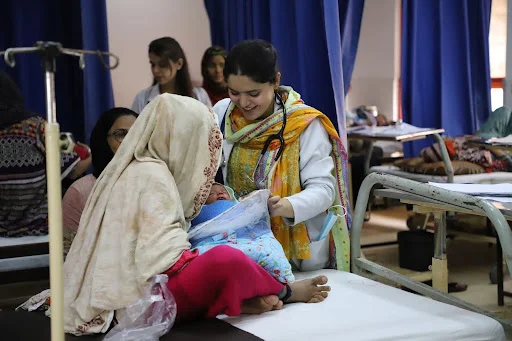
World Prematurity Day serves as an important reminder of the serious health risks, challenges, and long term impacts associated with preterm births. Observing this day encourages advocacy, education, and support for families experiencing preterm deliveries, highlighting the need for accessible neonatal care and maternal health services.
Pregnancy is one of the most beautiful and transformative phases in a woman’s life and deserves to be celebrated and respected. However, for many women in Pakistan, it can also be one of the most challenging periods. According to the 2019 Pakistan Maternal Mortality Survey, there are 186 maternal deaths per 100,000 live births. The major contributing factors include lack of awareness, limited access to quality healthcare, and financial constraints.
Maternal and infant health are deeply interconnected and essential for the well-being of families and communities. Unfortunately, in public healthcare systems, maternal and neonatal care often receive inadequate attention. Specialized facilities capable of handling preterm births and providing proper neonatal care are scarce, and when available, they are frequently too costly or geographically inaccessible for the average family.
Improving access to affordable, quality maternal and neonatal healthcare is vital. That’s why Patients’ Aid has revamped the Gynaecology and Obstetrics Ward at JPMC, including the NICU. With community support and awareness efforts, we can ensure every mother and baby receives the care they deserve. Donate now to the Patients’ Aid to make a difference, click here.
Preterm Birth Complications in Pakistan
Preterm birth is when the baby is delivered before completing 37 weeks of pregnancy. It remains one of the leading causes of neonatal deaths worldwide, and Pakistan faces an especially high burden. Globally, around 4-16% of babies are born preterm each year (Source: WHO, 2023).
In the interior regions of Sindh, southern Punjab, and Balochistan, the risk is even higher due to limited antenatal services, maternal malnutrition, early marriages, and poor healthcare infrastructure. These regions often lack trained birth attendants and emergency obstetric facilities, increasing both maternal and neonatal risks.
Complications for Mother and Infant
Preterm birth poses multiple dangers for both mother and child. Infants born prematurely frequently face respiratory distress syndrome, hypothermia, infections, and long-term issues such as growth delays or developmental disabilities.
According to data from Aga Khan University (AKU), Pakistan faces a significant neonatal health burden, with an estimated neonatal mortality rate of 42 deaths per 1,000 live births, translating to nearly 298,000 newborn deaths each year. This means that approximately 7% of all neonatal deaths worldwide occur in Pakistan. Among the major contributing factors, preterm birth plays a crucial role, accounting for about 28% of neonatal deaths globally.
For mothers, causes such as anaemia, hypertensive disorders, infections, and short birth spacing often lead to early labour. In the suburban and rural belts of Sindh, Punjab, and Balochistan, these complications are worsened by delayed access to hospitals and low awareness of prenatal health.
Care Needs of Preterm Babies
Preterm infants require specialized care immediately after birth to support their fragile health. Key aspects include temperature regulation, nutritional support through breast milk or fortified feeds, infection prevention, and respiratory assistance for babies with underdeveloped lungs.
Kangaroo Mother Care (KMC), which involves prolonged skin-to-skin contact between mother and baby, has proven highly effective in Pakistan. It helps stabilize body temperature and improve survival, especially in settings without incubators, as KMC does not rely on electricity or complex equipment.
Additionally, early breastfeeding, proper hygiene, and ongoing developmental follow-up are critical components of comprehensive care for preterm infants.
Patients’ Aid Foundation Revamped Maternal and Neonatal Care at JPMC

Patients’ Aid Foundation, a non-profit organization working within Jinnah Postgraduate Medical Centre (JPMC), Pakistan’s oldest and largest public healthcare facility, continues to make healthcare accessible and compassionate for people from all socioeconomic backgrounds.
Through Patients’ Aid’s efforts and donors’ generous support and collaboration, services ranging from gynaecological care to preterm birth management and neonatal care have become more streamlined and efficient at JPMC’s Department of Gynaecology and Obstetrics.
Department of Gynaecology and Obstetrics, JPMC
The Gynaecology and Obstetrics Department at JPMC provides essential maternal and reproductive health services to more than 2,500 women annually. On average, around 65 deliveries take place at the department every single day, making it one of the busiest maternity units in the country.

Approximately one in every ten newborns requires specialized medical support immediately after birth. Thanks to the revamped Neonatal Intensive Care Unit (NICU), upgraded and maintained by Patients’ Aid Foundation, critically ill or preterm infants now receive round-the-clock monitoring, respiratory support, and expert neonatal care. The facility is well-equipped to handle both high-risk and low-risk pregnancies, ensuring safe outcomes for mothers and babies alike. The upgraded facility also allows the department to manage complications effectively, whether following preterm deliveries or normal births.
A dedicated team of qualified gynaecologists, obstetricians, specialized nurses, and support staff remains available 24/7, ensuring that every patient, regardless of her background, receives equal attention, timely medical care, and compassionate support during one of the most crucial times in her life. If you want to make a donation to support the life of a mother or child, click here and join our humanitarian cause.
Neonatal Intensive Care at JPMC Karachi
Alongside Gynaecology and obstetrics, the Neonatal Intensive Care Unit at Jinnah Postgraduate Medical Centre in Karachi also serves as a major tertiary care facility for preterm and critically ill newborns from Sindh and neighboring provinces. Equipped with modern incubators, ventilators, and a dedicated team of neonatal specialists, the NICU provides lifesaving treatment and continuous monitoring to premature and vulnerable infants.

For families coming from interior Sindh, rural Punjab, and Balochistan, access to advanced tertiary care at JPMC is essential for preventing deaths related to preterm and complicated deliveries. Every woman, regardless of any societal factor, deserves high-quality treatment, and no child should die due to complications. Therefore, the efforts of Patients’ Aid at JPMC are dedicated to supporting both mother and child in this cause.
Donate Now to Support the Mothers & Children of Our Nation
Every day, mothers and newborns from across Pakistan face life-threatening complications during pregnancy and childbirth. The Gynaecology and Obstetrics Ward and NICU at JPMC provide life-saving care, but they rely on your support to continue their mission.
With your help, a mother can safely deliver her baby, a newborn can survive in the NICU, and complications during pregnancy can be managed with expert medical care. Your donation can literally mean the difference between life and death.
Join Patients’ Aid in this critical mission. Every contribution is Sadqah Jariyah, a charity that brings ongoing blessings in this world and the hereafter. Together, we can ensure that no mother or child is left behind, and that every family has hope, health, and a chance at life.
Donate generously today, because every life matters.
